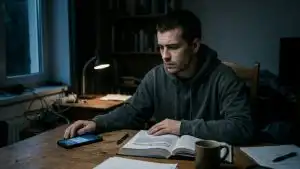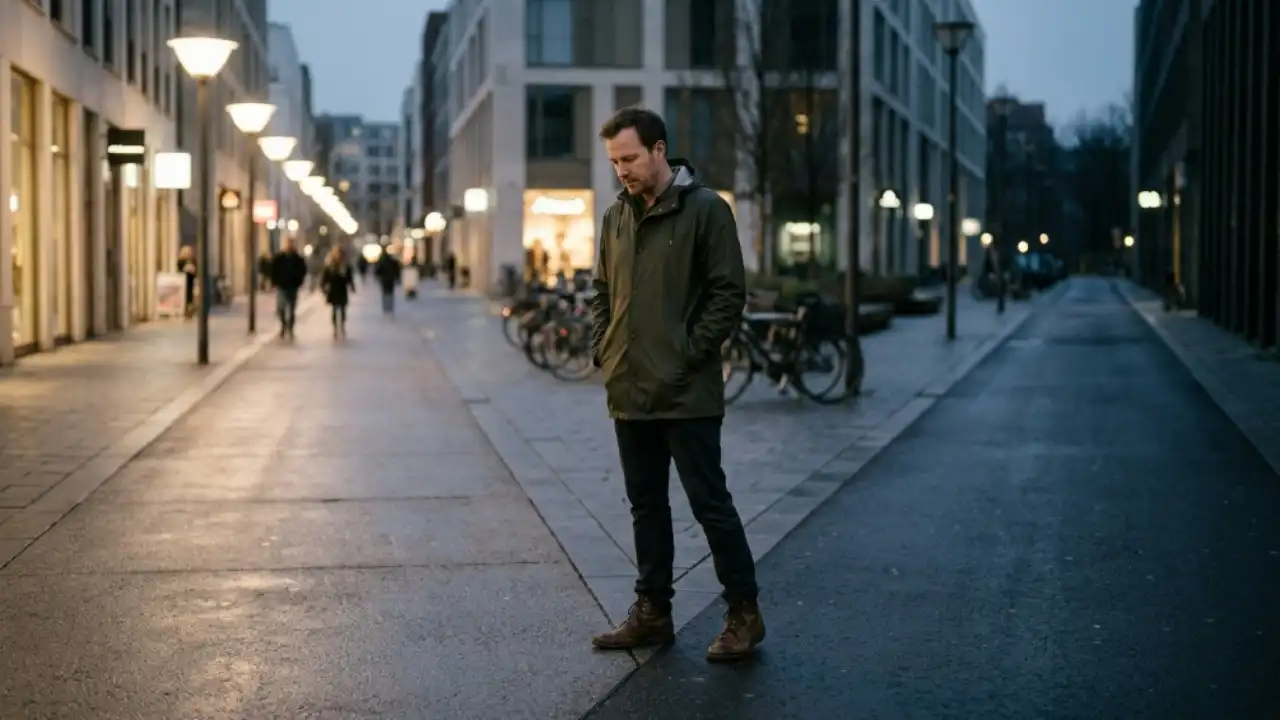
Some decisions feel heavier than others because they appear to close the door behind us. Choosing a career path, ending a relationship, moving to another city, selling a home, or making a major financial commitment can feel bigger than the practical facts involved. The mind does not only ask, “Is this right?” It also asks, “What if I cannot undo it?”
This is why irreversible decisions often create pressure even when a person has enough information. The difficulty is not always confusion. Often, it is the emotional weight of permanence. The brain understands that after some choices, life may not return to its former shape.

Psychologists have long studied how people respond to uncertainty, risk, and possible regret. Research on decision reversibility and satisfaction shows that the option to change a decision can affect how people feel about the choice itself. Reversibility lowers emotional pressure; finality increases it.
Table of Contents
The Brain Dislikes Losing Other Possibilities
Every major decision contains a hidden loss. Choosing one path means giving up another. Accepting one job means rejecting other versions of life. Staying in one place means not moving elsewhere. Even when the chosen option is good, the rejected options can still occupy mental space.
This connects with loss aversion, a well-known idea in behavioral science. People often feel the pain of losing something more strongly than the pleasure of gaining something equal. In irreversible decisions, this effect becomes stronger because the lost alternatives seem harder to recover.

The brain also imagines future regret before the decision is even made. This can make the choice feel riskier than it really is. A person may not only fear a bad result; they may fear the emotional pain of later thinking, “I should have chosen differently.”
Why Overthinking Becomes a Protection Strategy
Overthinking is often seen as a weakness, but in irreversible decisions, it often serves as a protective strategy. The mind keeps reviewing the same facts to reduce the risk of future regret. The person is not simply thinking too much; they are trying to feel safe.
This becomes clear in decisions where the answer is not fully knowable. No one can perfectly predict whether a career will remain satisfying, whether a move will feel right, or whether a relationship decision will make sense years later. The brain still wants certainty, but the situation cannot provide it.

Common signs of this protection loop include:
- Rechecking the same information without finding anything new.
- Asking several people for advice, but still feeling unsure.
- Imagining worst-case outcomes more often than realistic outcomes.
- Waiting for complete confidence before taking action.
- Feeling temporary relief when the decision is postponed.
Anticipated Regret Makes the Future Feel Dangerous
Regret is powerful because it compares reality with an imagined alternative. People do not only suffer because something went wrong. They suffer because they can imagine another path where things might have gone better. This imagined comparison makes irreversible decisions emotionally sharp.
Studies on anticipated regret in daily decision-making suggest that people often predict regret before future choices. This matters because regret is not only an after-effect. It can shape the decision before anything has happened.
When anticipated regret becomes too strong, the brain starts treating action as danger. Not deciding begins to feel safer than deciding. But this safety is temporary. Delay may reduce pressure today while slowly increasing pressure tomorrow.
More Information Does Not Always Reduce Uncertainty
People often believe they are stuck because they need more information. Sometimes this is true. But in irreversible decisions, more information can become a trap. After a certain point, new details do not create clarity; they create more comparison.
This is especially common when several options are acceptable. Research on choice overload and decision difficulty shows that too many options can make selection harder, not easier. The brain has more to compare, more to lose, and more possible mistakes to imagine.
The real issue is that information cannot remove all uncertainty from life decisions. A person can research, plan, and compare but still cannot know exactly how they will feel in the future. This is why final choices often require judgment, not perfect proof.
The Role of Identity in Irreversible Choices
Irreversible decisions feel difficult because they often touch identity. A person choosing a career is not only choosing work. They may feel they are choosing what kind of adult, parent, partner, or professional they will become. This gives the decision emotional depth.
The same happens in relationships, relocation, education, money, and family decisions. The choice becomes connected with self-image. If the result is good, the person may feel wise and capable. If it goes badly, they may fear it will prove they made a poor judgment.
This is one reason people delay, even when they know what they want. The problem is not only the outcome. It is the meaning attached to the outcome. The decision feels like a statement about the self, not just a practical step.
Why Stress Narrows Decision-Making
Stress changes how people think. Under pressure, the brain becomes more alert to possible threats and less open to flexible thinking. This can make irreversible decisions feel more dangerous, even when the actual risk is manageable.
A stressed mind often focuses more on what could go wrong than what could work. This does not mean the person is irrational. It means the nervous system is trying to prevent loss. In high-pressure choices, emotional safety can start to feel more important than long-term benefit.
This is why major decisions should not be judged solely by the intensity of the fear surrounding them. Fear may signal a real warning, but it may also signal that the decision feels permanent. The emotion is important, but it is not always accurate.
How Irreversible Decisions Create Delay
Delay gives the brain short-term relief. When a person postpones the decision, they avoid the emotional shock of choosing. The door remains open for a little longer, and the mind feels temporarily protected.
But delay can become reinforcing. Each time the person avoids the choice, the brain learns that avoidance reduces discomfort. Over time, the decision grows larger in the mind. What began as a serious choice can become a daily mental burden.
The cycle usually works like this:
- A decision feels permanent.
- The brain imagines loss, regret, or judgment.
- Stress rises and confidence drops.
- The person delays feeling temporary relief.
- The delay makes the decision feel even heavier later.
Thinking Clearly When There is No Easy Way Back
Clearer decision-making begins by separating practical risk from emotional finality. Practical risk asks what can realistically go wrong and what recovery options exist. Emotional finality asks how hard it feels to accept change. Both matter, but they are not the same thing.
It also helps to ask whether the decision is truly irreversible or only emotionally framed that way. Many choices are difficult to reverse, but not impossible to recover from. A career can change. A financial mistake can be managed. A move can be adjusted. A painful ending can still lead to a healthier life.
Research on judgment and decision-making under uncertainty supports a key idea: people are not purely logical decision-makers. Emotion, regret, risk, memory, and imagined futures all shape how choices feel before they are made.
Why This Struggle Is Human, Not Weak
Struggling with irreversible decisions does not mean someone is weak, immature, or incapable. It means the brain is responding to a situation where the emotional cost feels high. Human beings are designed to protect themselves from loss and future pain.
The problem begins when protection becomes paralysis. A careful mind can become a trapped mind when it demands certainty from a situation that cannot provide it. Important decisions rarely come with complete emotional comfort.
The healthier approach is not to eliminate fear. It is to understand what the fear is pointing toward. Sometimes it points to real risk. Sometimes it points to grief over the options being left behind. Sometimes it simply reflects the discomfort of entering a future that cannot be fully controlled.